Both PRP and acoustic wave therapy have excellent safety profiles

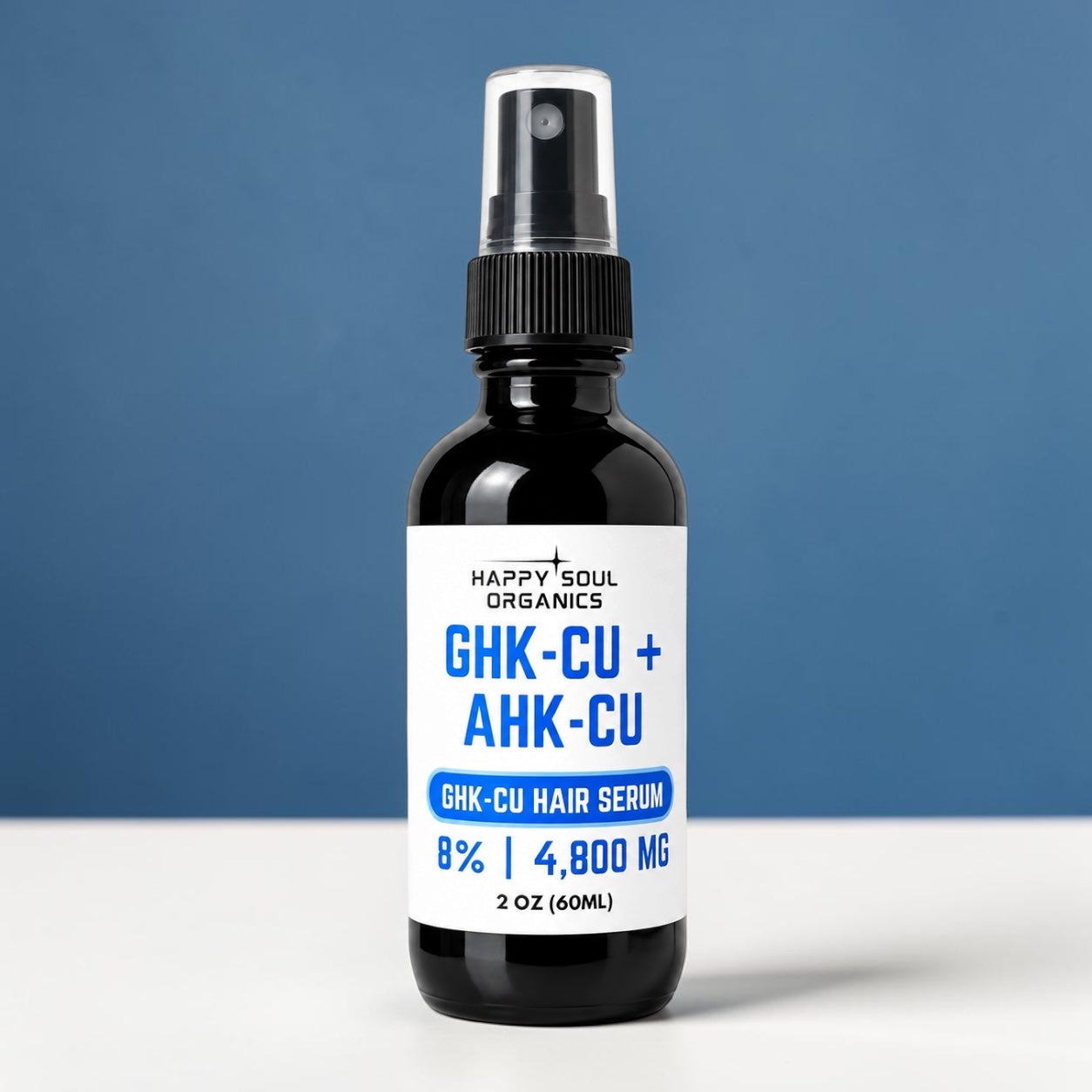
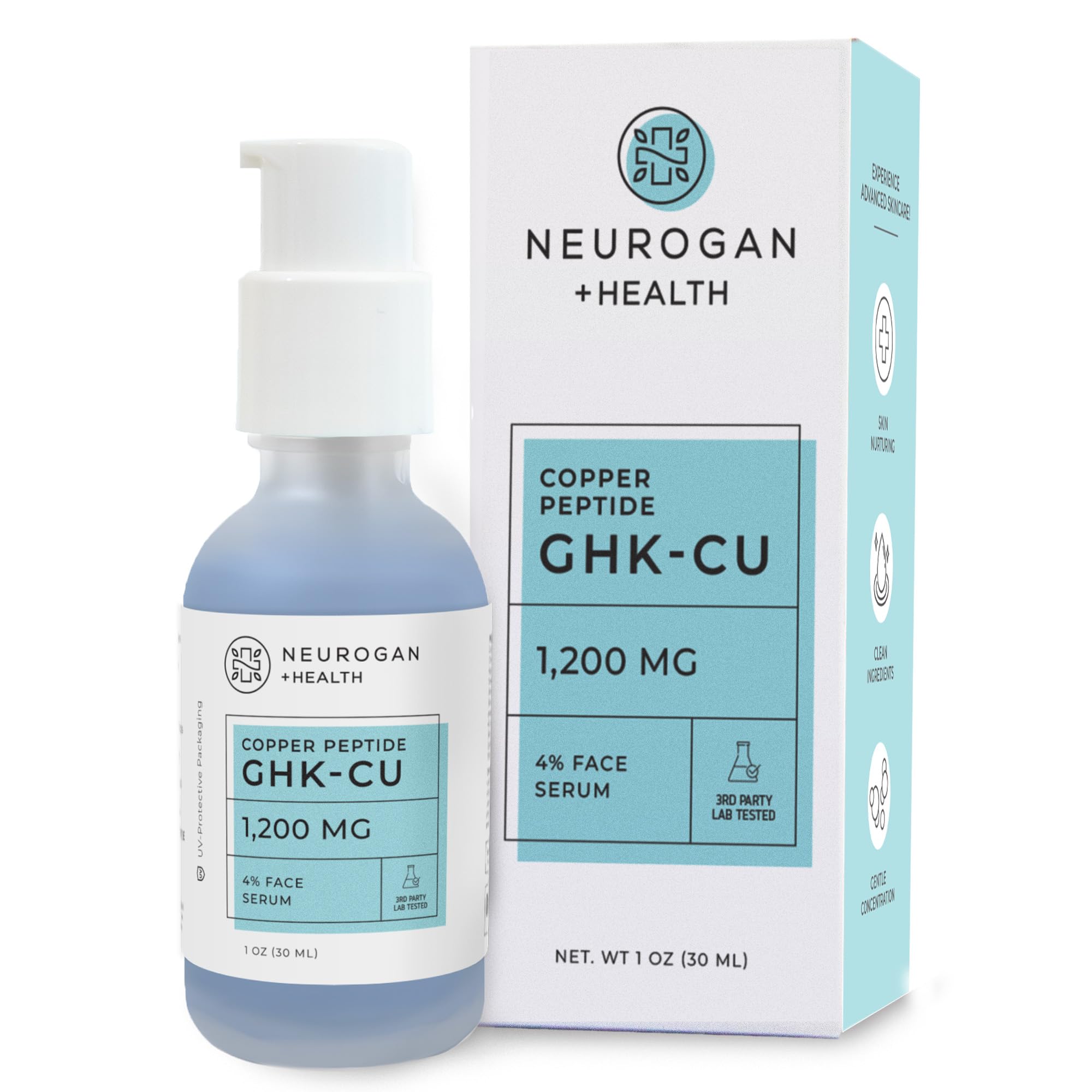
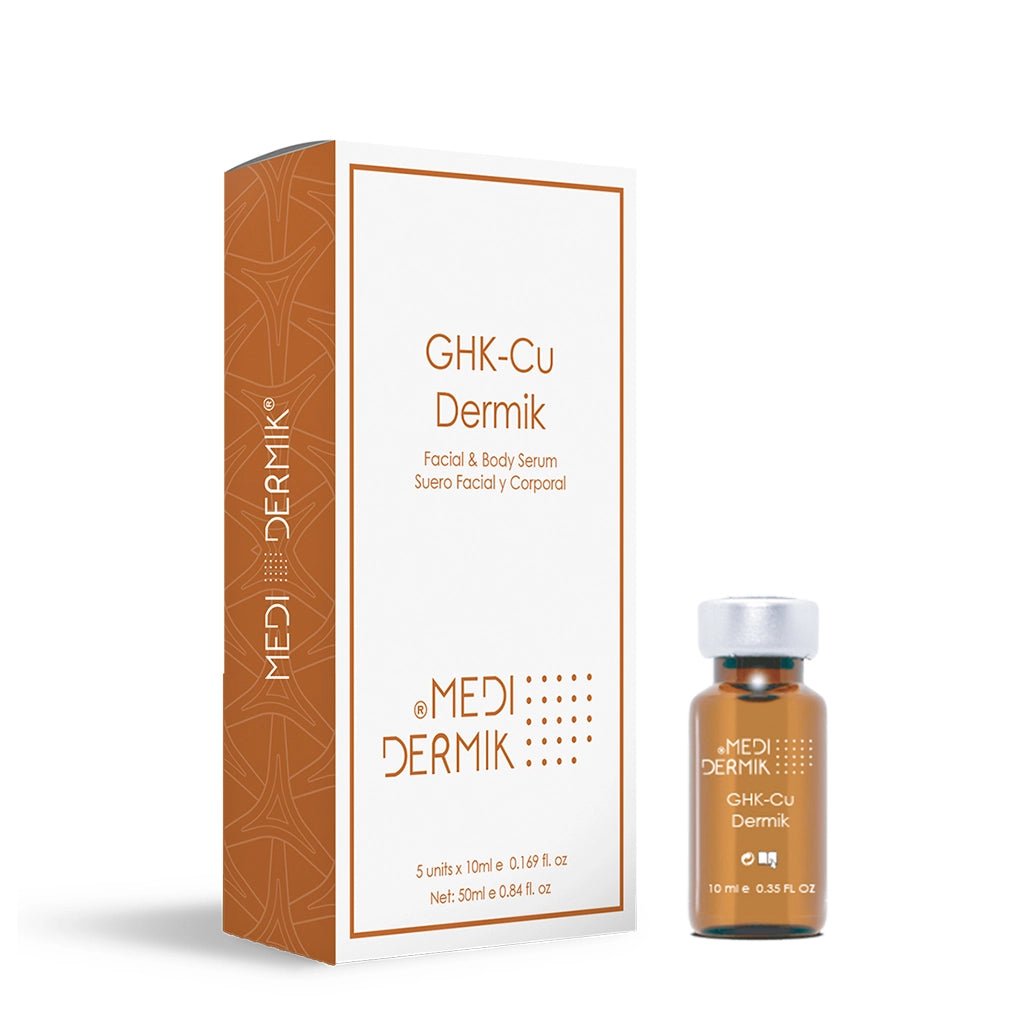
~403 Da (copper complex) Form: Lyophilized powder Vial Size: 50mg in 3mL glass vial Purity: 99%+ verified by HPLC and mass spectrometry (See COAs) Research Background GHK-Cu has been investigated in research literature across several scientific contexts: Tissue biology research investigations into peptide-copper complex effects on cellular signaling pathways in tissue models Extracellular matrix research studies examining cellular responses involving collagen synthesis pathways and matrix protein regulation in cell culture systems Copper-binding peptide chemistry analytical chemistry research on GHKs selective copper binding properties and the cellular biology of copper homeostasis Cellular signaling pathway research investigations into GHK-Cus interactions with cellular receptor systems and downstream signaling cascades Gene expression research studies examining GHK-Cus effects on cellular gene expression patterns in research models Comparative peptide research analytical studies positioning GHK-Cu alongside other naturally occurring copper-binding peptides in cellular research contexts GHK-Cu is historically significant as one of the most extensively studied naturally occurring copper-binding peptides, originally identified by Pickart et al

Effects of diclofenac, L-NAME, L-arginine, and pentadecapeptide BPC 157 on gastrointestinal, liver, and brain lesions, failed anastomosis, and intestinal adaptation deterioration in 24 hour-short-bowel rats
The surgical approach is always matched to the patient's anatomy, condition, and goals
Consequently, -cells synthesize both DA and NE de novo, though preferentially produce DA in response to uptake of precursor L-DOPA