Urgent situations requiring immediate medical attention include: Severe, persistent abdominal pain (with or without vomiting), which may indicate pancreatitis Signs of gallbladder disease (right upper quadrant pain, nausea) Persistent vomiting leading to inability to keep fluids down or signs of dehydration Specific situations requiring consultation include: Persistent gastrointestinal symptoms (nausea, vomiting, diarrhea) lasting beyond the initial adjustment period Unintended weight loss exceeding clinical targets or occurring too rapidly Signs of nutritional deficiency such as fatigue, weakness, hair loss, brittle nails, or neurological symptoms Difficulty meeting protein or caloric needs through diet alone Consideration of high-dose supplements or specialized nutritional products Use of multiple supplements or herbal products with potential interactions Need for medication adjustments if also taking insulin or sulfonylureas to prevent hypoglycemia Patients who are pregnant, planning pregnancy, or breastfeeding should discuss all medications and supplements with their healthcare provider, as certain products may be contraindicated

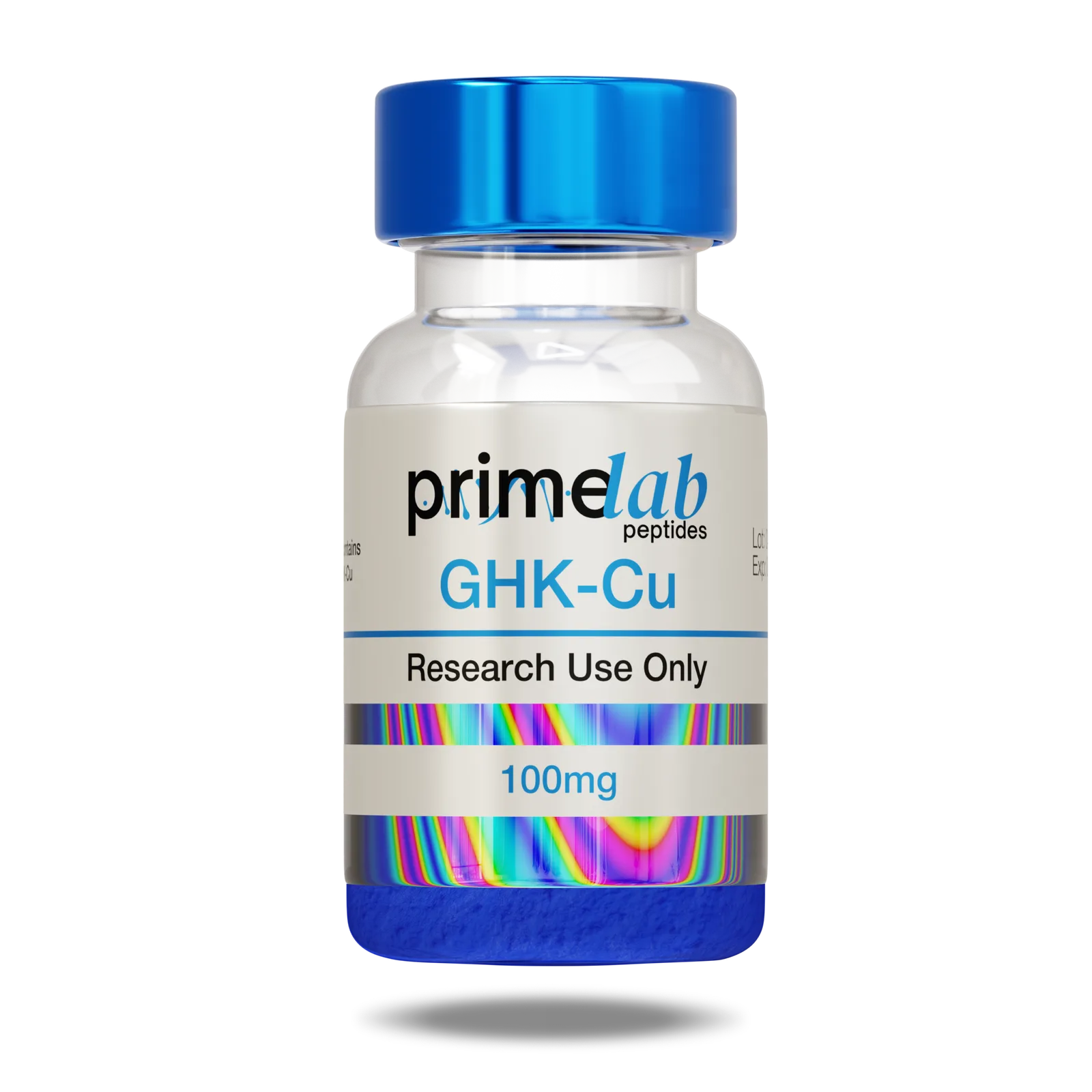
The reconstituted solution should appear clear with a faint blue tint, which is characteristic of the copper(II) complex
DSIP is studied for its interaction with neuroendocrine regulatory systems within the central nervous system
What they are claimed to do: Support post-surgical recovery Enhance protein synthesis for tissue repair Improve sleep quality (which aids healing) Promote fat metabolism and muscle maintenance What the research shows: Growth hormone's role in healing is well-established, but using peptides to stimulate it for surgical recovery is still an emerging area
[DOI] [PMC free article] [PubMed] [Google Scholar] Seiwerth S, Brcic L, Vuletic LB, et al