While both groups showed significant desensitization alone, the mice treated with both OIT and BF2 were desensitized to a higher extent [39]
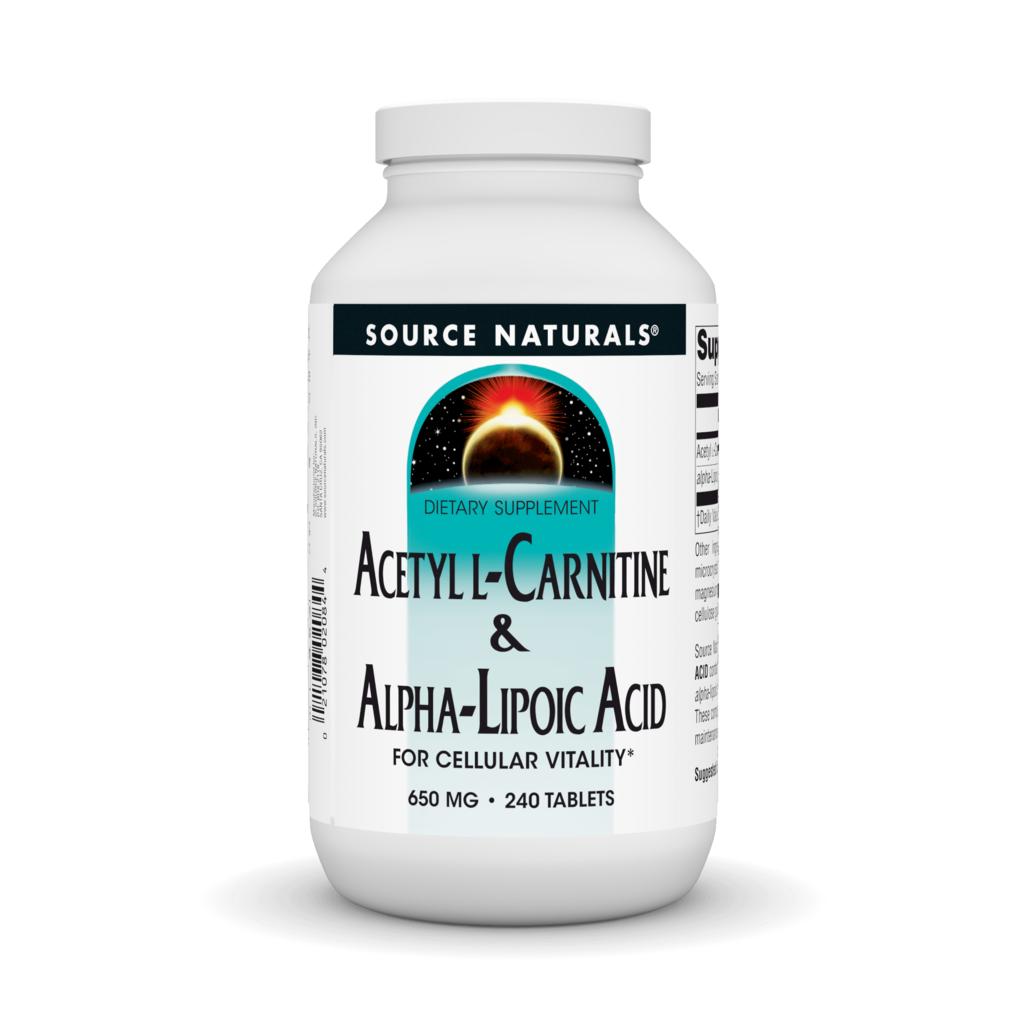
[Impact of L-carnitine and phosphatidylcholine containing products on the proatherogenic metabolite TMAO production and gut microbiome changes in patients with coronary artery disease]

In recent years, it has been demonstrated to be widely involved in physiological and pathological processes such as cardiovascular homeostasis regulation, inflammation suppression, and hepatocyte metabolic regulation ( 2 S inhibits vascular smooth muscle cell proliferation by activating ATP-sensitive potassium channels, modulates myocardial ion channel function, and attenuates ischemia-reperfusion injury ( 2 S has been shown to reduce myocardial fibrosis and collagen deposition within atherosclerotic plaques by inhibiting the Transforming Growth Factor Beta 1 (TGF-1) signaling pathway, thereby delaying the process of vascular remodeling ( 2 S suppress the expression of pro-inflammatory factors such as Tumor Necrosis Factor Alpha (TNF-) and Tumor Necrosis Factor Beta (TNF-) by inhibiting the Nuclear Factor kappa-B (NF-B) pathway ( 2 S lies in its dual capability to counteract apoptosis and promote tissue repair ( 2 S donors still faces three major bottlenecks: poor chemical stability (e.g., the commonly used donor NaHS has an extremely short half-life), lack of tissue targeting, and uncontrollable release kinetics
Its already sold out
Molecular Structure and Biological Origins Thymosin beta-4 functions primarily as an intracellular actin-sequestering molecule, regulating polymerization and influencing the structural integrity of diverse cell types