Neuroprotective Potential Preliminary Research Emerging research indicates Hexarelin may possess neuroprotective properties through mechanisms involving both growth hormone-mediated effects and direct interactions with neural tissue receptors, expanding its research applications beyond cardiovascular and endocrine systems
Gan Y, Zhang Y, Digirolamo DJ, Jiang J, Wang X, Cao X, Zinn KR, Carbone DP, Clemens TL, Frank SJ
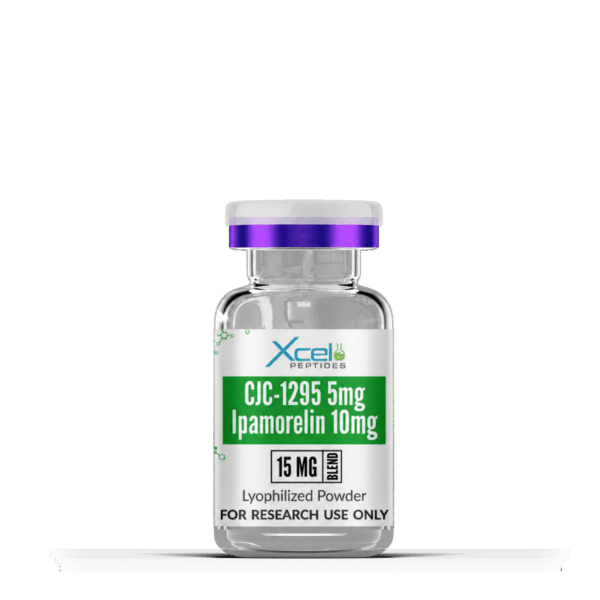
Recent studies indicate that over 60% of individuals exploring peptide therapy are now considering the CJC1295 and Ipamorelin combination
Tesamorelin is studied for its influence on endothelial signaling pathways and lipid-regulatory molecular networks

McGraw-Hill / Lange Ranolazine Ranolazine Trade Name: Ranexa Drug Category: Antianginal Agent (Metabolism Modifer) Mechanism of Action: Ranolazine reduces Na influx during ventricular depolarization by blocking a late Na plateau current caused by Na channels that do not inactivate, or that re-open The reduction in intracellular Na results in a consequent reduction of intracellular Ca due to the activity of the Na/Ca exchanger The reduction in intracellular Ca reduces contractility, which reduces ischemic injury Ranolazine also dose-dependently increases QTc by blocking the cardiac IKr It has no significant effect on blood pressure or heart rate Indications: Ranolazine is not recommended as first-line therapy for patients with chronic stable angina due to the potential risk of QTc prolongation & increased cost compared to traditional antianginal drug regimens It is considered as an option for those who cannot tolerate any of the traditional agents due because of hemodynamic or other side effects It can also be used as add on therapy with traditional agents