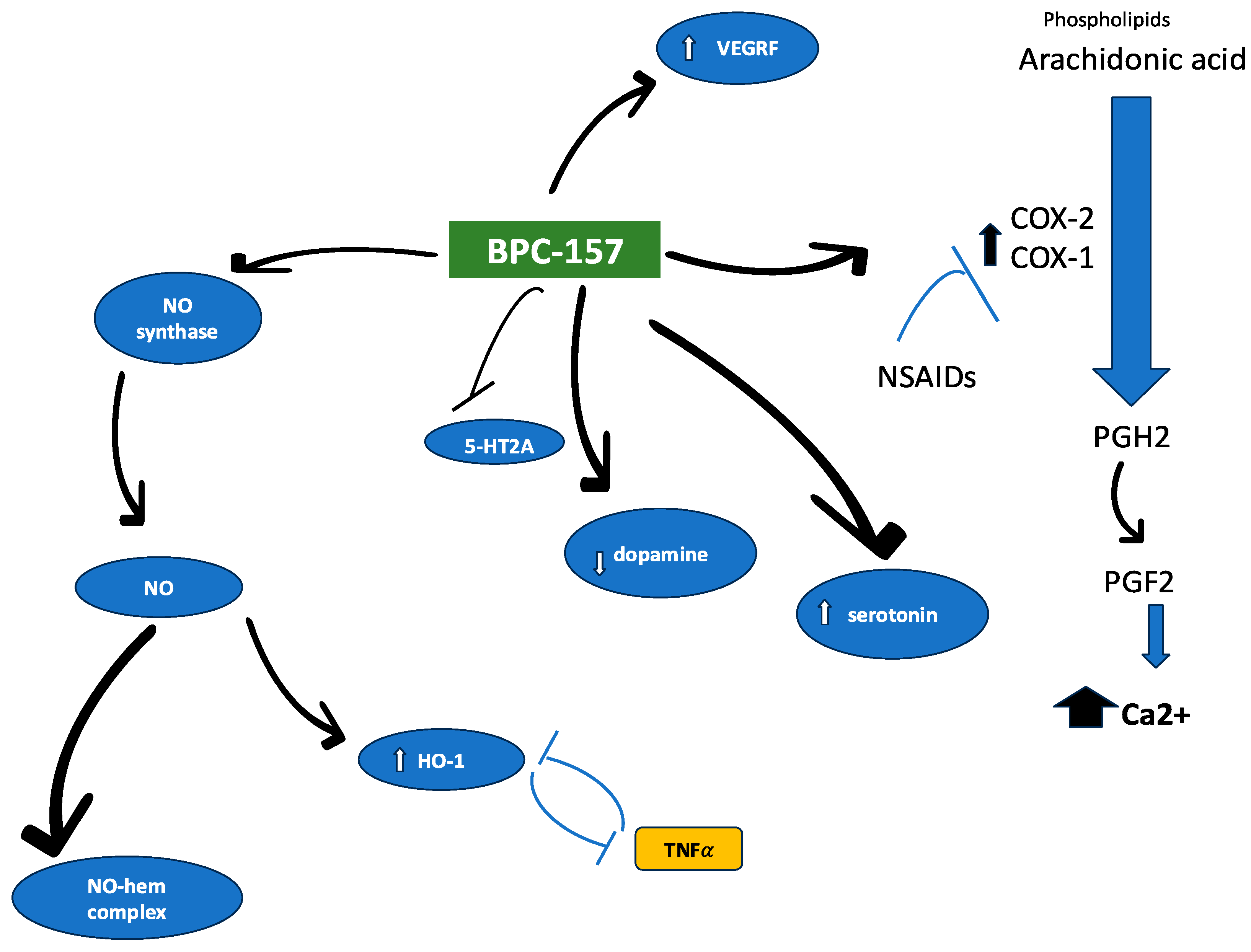
LOX Members and Metabolites in Heart Failure and Remodeling In contrast to the effect of COX members on heart function, most LOX subunits induced exacerbation under these pathological conditions in response to different etiological inducers
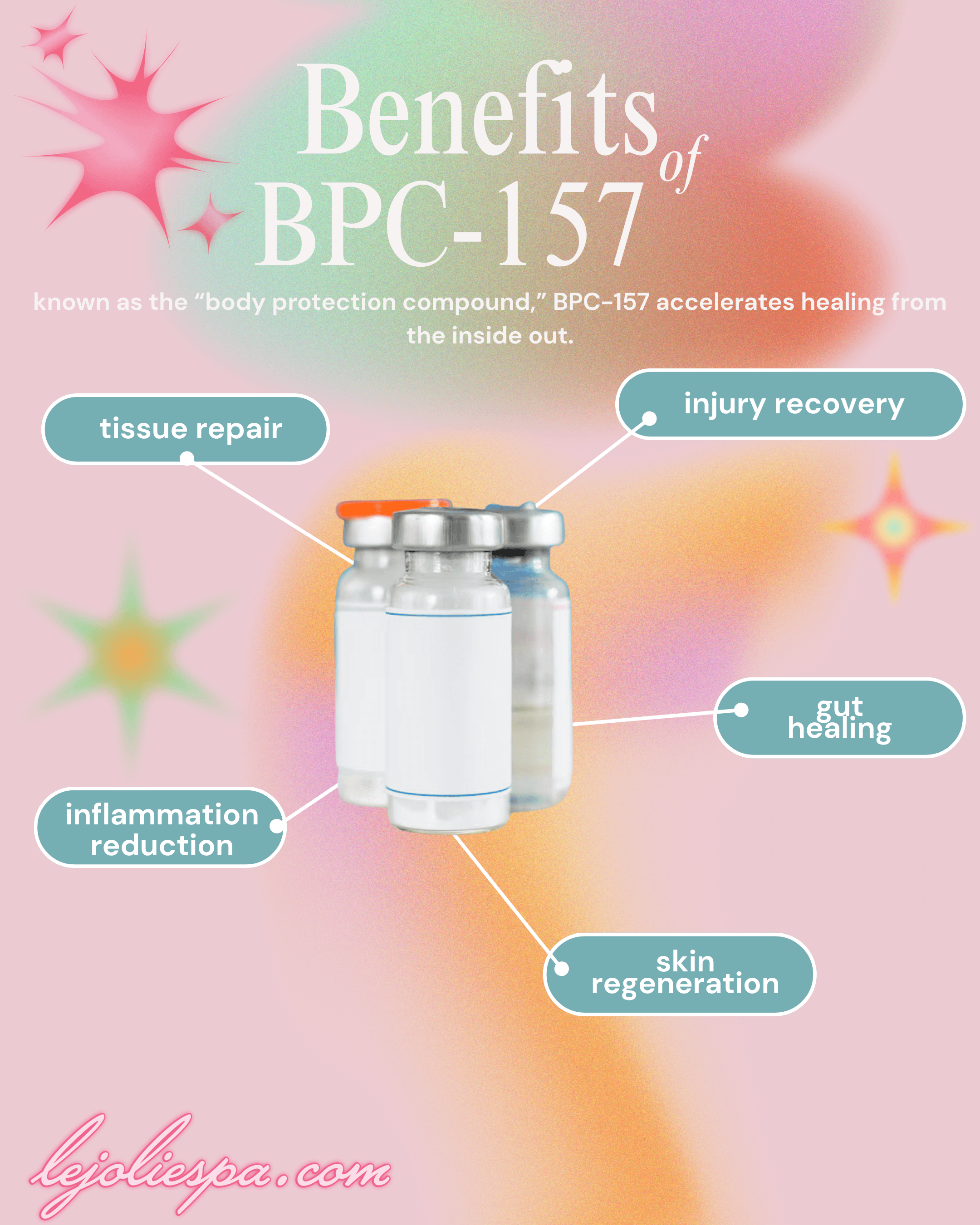
Improved Blood Flow to Joints One of the lesser-known but equally important benefits of BPC-157 is its ability to improve blood flow to damaged tissues
Injections deliver powerful protection against oxidative stress while brightening skin from within
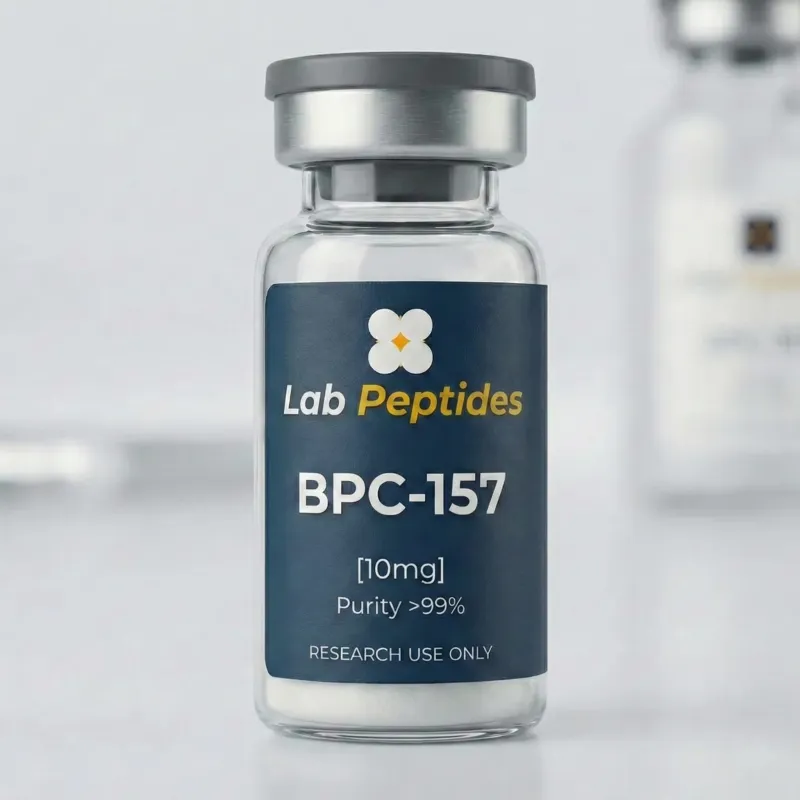
Arginate, acetate, citrate, and maleate salts are commonly explored to optimize dissolution profiles, pH stability, and absorption efficiency in rodent and canine models
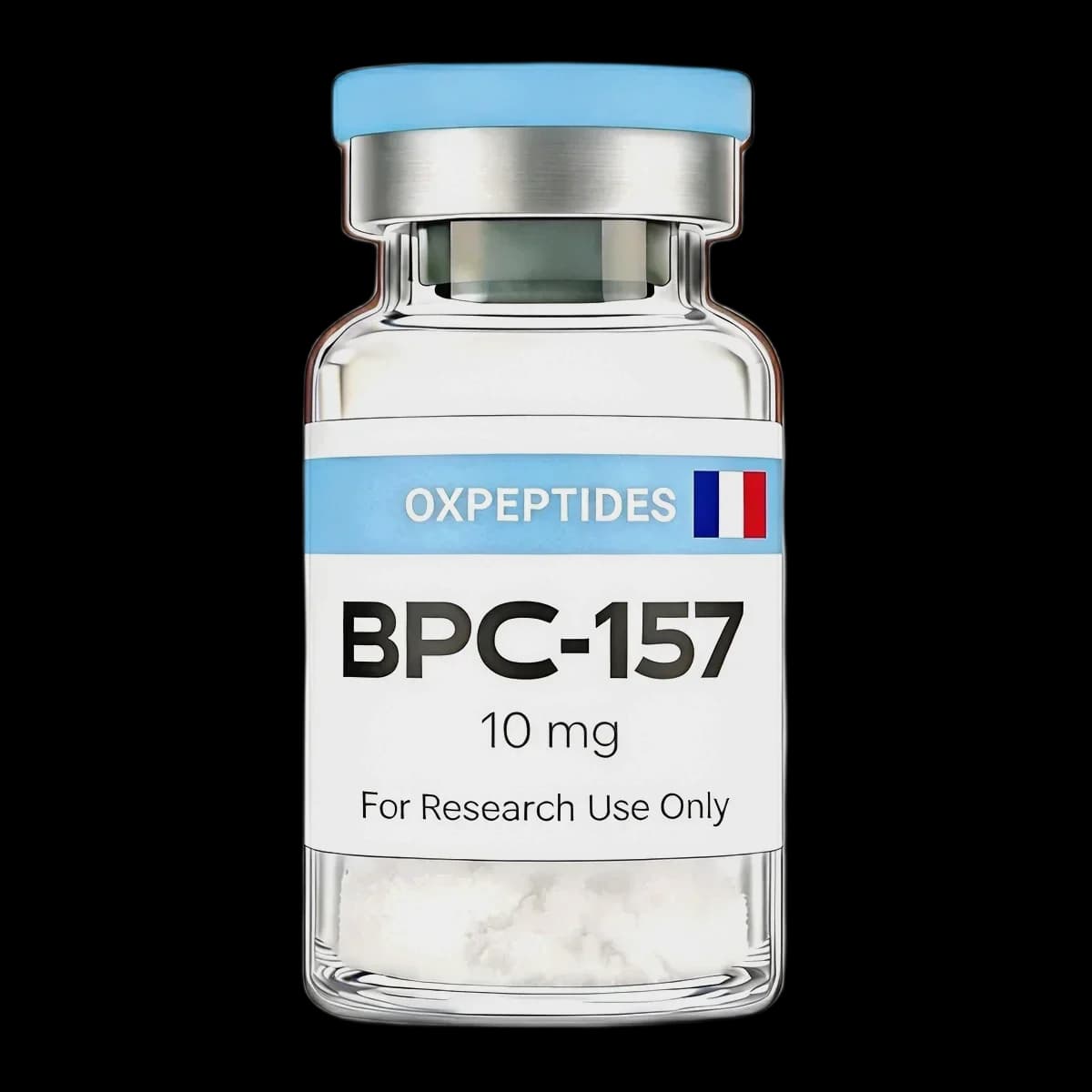
Joint pain and injury: knee, shoulder, wrist, and hip conditions including arthritis, tendon injuries, cartilage damage, and general joint discomfort (via subcutaneous or intra-articular injection) Musculoskeletal trauma: hairline fractures (particularly foot), wrist injuries, muscle strains, deltoid and Achilles tendon damage, and general soft tissue injuries Post-surgical recovery: supporting tissue repair following orthopedic and other surgical procedures Sports and exercise rehabilitation: slow recovery from training, exercise-related soft tissue injuries, and reducing downtime between sessions Gut health: gastrointestinal mucosal protection, inflammatory bowel conditions, and systemic inflammation reduction Degenerative joint conditions: chronic pain from advanced joint degeneration where conventional treatments have provided incomplete relief Skin healing: tissue regeneration and wound healing, including extended protocols for significant skin repair requirements BPC-157 is among the most frequently prescribed healing peptides in physician-supervised longevity and regenerative medicine practice